
Finding Safety in Connection
A Ketamine- Assisted Therapy Group for Women Healing from Trauma
January 8-10, 2027
This small group experience draws upon practices of mindful embodiment to support authentic expression and connection among participants. In addition to the powerful dynamic of the group, ketamine is utilized to deepen self-discovery and relational intimacy.
Do you find yourself wondering:
Why do I still feel disconnected from myself or others?
Why do I continue repeating familiar patterns, even though I understand them?
Why is it so difficult to feel deeply seen, safe, or fully myself in relationships?

Many women spend years in therapy learning to understand their trauma. Yet despite this meaningful work, something still feels incomplete. Are you feeling burnt out from therapy that is no longer supporting growth, but unsure how to take the next step in healing? This group could be for you.
Next Steps in Healing

Often those living with the effects of trauma have learned to navigate the world through protection, isolation, hypervigilance, or self-reliance. While these adaptations once served an important purpose, they can eventually become barriers to deeper intimacy and growth. Healing from trauma isn't only about reducing symptoms. At a certain point, the work shifts. The question becomes less about surviving the past and more about creating a life that feels connected, embodied, and meaningful.
Together we will explore healing within a safe, carefully held community where the group itself becomes part of the medicine. Participants will have the opportunity to experience what it feels like to be witnessed by other women, to practice authentic connection, and to discover new ways of relating to themselves and others.

Why Group Ketamine?
At our core, we humans are social creatures who need connection, intimacy and a sense of belonging to thrive. Social reward critical periods are times during childhood and early adolescence when the brain is malleable and becomes attuned to "social rewards" (such as smiling, affection, and feelings of acceptance) which then help wire the brain to seek out social behavior and feel good in doing so. If a child lacks opportunities for positive social connection, it can blunt the development of the social reward system. Later in life, this individual may have difficulty forming and keeping healthy relationships, they may avoid social contact due to discomfort and anxiety, and they are at a higher risk for developing mental health symptoms. Trauma later in life can also impede our ability to feel safe being vulnerable with others. Along with other psychedelics, ketamine has been shown to reopen social reward critical periods. Ketamine also reduces nervous system arousal thereby facilitating more ease in authentic expression and connection which can be built upon for lasting changes in one’s ability to relate.
Group Details
-
This is not a beginning trauma group. It is designed for adult female-identifying individuals who have already done significant healing work and are ready to discover what comes next. Participants should have experience in psychotherapy and feel emotionally stable enough to engage in group processes. This group is most appropriate for individuals who have some familiarity with mindfulness. Prior experience with ketamine is helpful but not required. LGBTQIA+ and those from other minority groups are encouraged to apply.
-
One 90-minute virtual preparation session, Friday January 8th from 5:30-7pm
One 6-hour in person ketamine -assisted therapy group, Saturday January 9th from 10am-4pm
One 90-minute virtual preparation session, Sunday January 10th from 10-11:30am
One additional 90-minute integration group will take place on month after the end of the series. Date/ time TBD.
-
The in-person ketamine-assisted therapy groupswill be held at:
30 Domino Drive, 2nd Floor, Ste 2, Concord, MA, United States, 01742All other group components are virtually-based
-
An investment of $800 covers the preparation, group ketamine, and integration sessions (12 hours in total)
Medical screening copayment if covered by BCBS/ Mass General Brigham HealthPlan/ Optum/ UnitedHealthcare or ask about out-of-pocket cost
~$100 for ketamine prescription
After the initial intake a $400 deposit is required to secure your spot in the group
Final Payment of $400 is due on December 1, 2026
-
Click here to learn more and to complete an interest form as the first step to joining this group

Meet your Facilitators
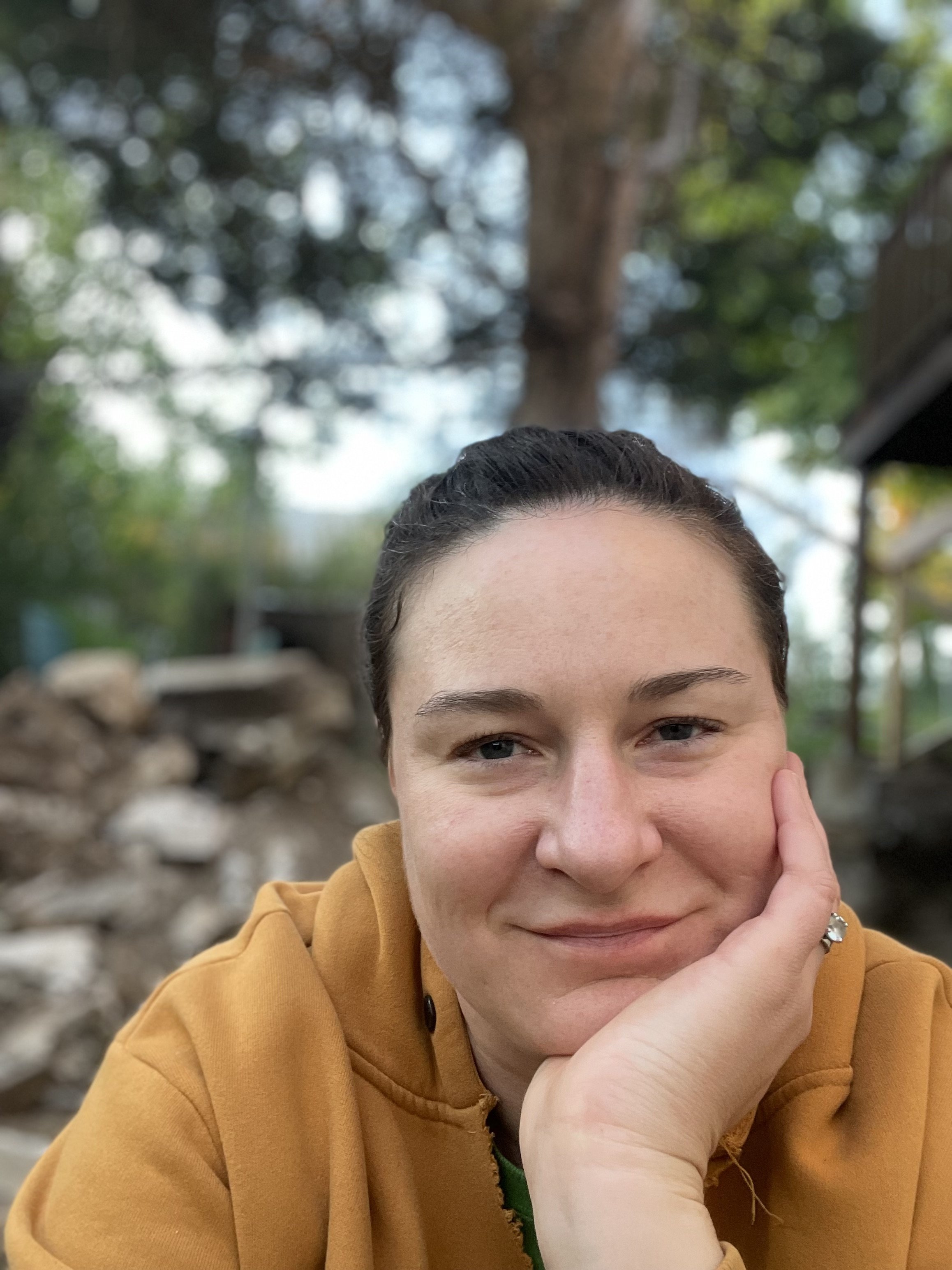
Each well-educated in the theoretical underpinnings and applications of psychedelic assisted psychotherapy as well as trauma therapy, Ellie Barch, PsyD, Meg Stripe, PhD, and Bridget Glenshaw, LMHC, will be the facilitators of this group. Click on the link below each of their pictures to learn more.
-
Ellie is a licensed clinical psychologist in the state of Massachusetts.In 2024, she obtained her certification in psychedelic assisted psychotherapy through the Integrative Psychiatry Institute and she went on to complete the ketamine- assisted psychotherapy training through Psychedelic Therapy Boston and Fluence.
Ellie has completed four KAP retreats for providers through Relationship Resources as well as a workshop on providing small-group KAP run by Katja Cahoon, LCSW. Additionally, she has participated in KAP consultation groups offered by Mark Green, MD, and (separately) by Libby Call, PsyD, and Joanna Duda, NP, CNS.
Among other trainings, Ellie completed Level 2 training in Accelerated Experiential Dynamic Psychotherapy (AEDP) in June 2026, and this is currently her primary therapeutic approach for working with trauma.